


Hey there, fellow water sports enthusiasts! I'm a supplier of ixpe soft sup, and today I'm gonna chat about the data storage requirements for ixpe soft sup.
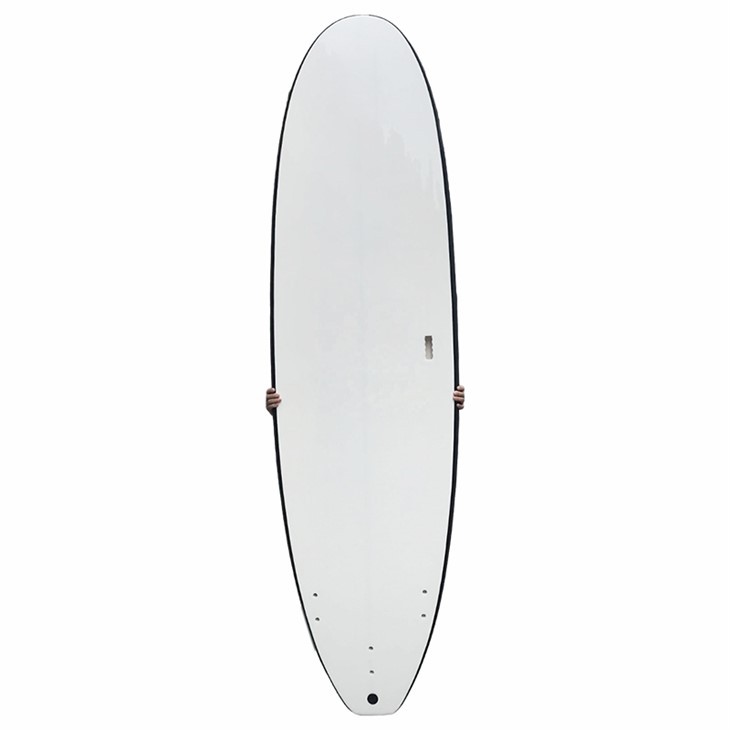
First off, let's get a bit of background on what ixpe soft sup is. It's a popular choice in the stand - up paddleboarding world. The IXPE material gives these boards a soft top, which is not only great for comfort but also provides good durability. If you're looking for top - notch options, check out Top Quality IXPE Soft SUP Board. It's a great place to start your search for the perfect board.
Now, when it comes to data storage requirements for ixpe soft sup, it might seem a bit strange at first. You're probably thinking, "A paddleboard? What data could it possibly need to store?" Well, in the modern world, technology is seeping into every aspect of our lives, and water sports are no exception.
Tracking and Monitoring Data
One of the main areas where data storage comes into play is with tracking and monitoring devices. Many ixpe soft sup boards now come equipped with sensors that can collect a variety of data. For example, there are sensors that can track your speed while you're paddling. This is super useful if you're into competitive paddleboarding or just want to see how fast you can go. The data on your speed over time can be stored, allowing you to analyze your performance and set goals for improvement.
Another important piece of data is the distance you've traveled. Whether you're on a long - distance paddle or just cruising around a lake, knowing how far you've gone can be really interesting. The data on distance can also be used to plan future trips. You might want to aim for longer distances as you get more experienced.
Accelerometers on the board can record your movements. They can detect how you're paddling, if you're making smooth strokes or choppy ones. This data can be analyzed to help you refine your technique. For instance, if the data shows that your strokes are uneven, you can work on making them more consistent.
All this data needs to be stored somewhere. A small on - board storage unit is often used. These storage units are usually designed to be waterproof and shock - resistant, which is essential considering the environment they're in. They need to be able to withstand splashes, waves, and the occasional bump against rocks or other obstacles.
Battery and Power Data
The power source of the tracking and monitoring devices also generates data. The battery level of these devices is crucial information. You don't want your tracking system to die in the middle of a long paddle. By storing data on battery usage patterns, you can predict how long the battery will last under different conditions. For example, if you're paddling in rough waters where the sensors are working harder, the battery might drain faster. The stored data can show you how much extra power is being used in such situations.
The charging cycles of the battery are also important data. Knowing how many times the battery has been charged can help you determine when it might need to be replaced. A well - maintained battery is essential for the continuous operation of the data - collecting sensors.
User Preferences and Profiles
Many ixpe soft sup systems allow you to set up user profiles. You can input your height, weight, and skill level. This data is stored so that the tracking and monitoring system can customize its analysis for you. For example, if you're a heavier person, the system can take that into account when analyzing your speed and stroke efficiency.
Your preferences for data display are also stored. Some users might want to see their speed in miles per hour, while others prefer kilometers per hour. You might also want to customize the layout of the data on your display screen. All these user - specific settings are stored to provide a personalized experience.
Compatibility and Data Transfer
When it comes to data storage, compatibility is key. The on - board storage unit needs to be able to transfer data to other devices easily. Most systems support Bluetooth or Wi - Fi connectivity. This allows you to transfer the stored data to your smartphone or a computer. Once the data is on your phone or computer, you can use specialized apps to analyze it in more detail.
For example, there are apps that can create graphs and charts based on your speed, distance, and other data. These visual representations make it much easier to understand your performance. The data transfer process also needs to be reliable. You don't want to lose all your valuable data during the transfer.
Storage Capacity
The storage capacity required depends on how much data you want to collect and for how long. If you're just a casual paddler who goes out once in a while, you might not need a huge amount of storage. A few gigabytes might be sufficient to store a few months' worth of data.
However, if you're a professional paddleboarder or someone who goes out on the water frequently, you'll need more storage. You might want to keep years' worth of data for in - depth analysis. In this case, you might need a storage unit with tens of gigabytes of capacity.
Data Security
Data security is also a major concern. The data you collect on your ixpe soft sup is personal. It shows your performance, your movements, and your preferences. You don't want this data to fall into the wrong hands. The on - board storage unit should have encryption to protect the data. This ensures that even if the board is lost or stolen, your data remains safe.
When transferring the data to your phone or computer, secure protocols should be used. For example, using encrypted Wi - Fi networks or secure Bluetooth connections can prevent unauthorized access to your data.
Integration with Other Devices
In addition to on - board storage, the data from the ixpe soft sup can be integrated with other devices. For example, you might want to sync the data with a fitness app on your phone. This allows you to have a more comprehensive view of your fitness activities. You can see how your paddleboarding sessions fit into your overall fitness routine.
The data can also be shared with other paddleboarding enthusiasts. There are online communities where you can upload your data and compare it with others. This can be a great way to learn from more experienced paddlers and get tips on improving your skills.
Future Trends
As technology continues to advance, we can expect even more data - related features on ixpe soft sup boards. For example, there might be more sophisticated sensors that can detect water quality. This data could be useful for environmental monitoring or for ensuring that you're paddling in safe waters.

Virtual reality (VR) and augmented reality (AR) experiences could also be integrated with the data. You might be able to use your phone or a special headset to view a virtual map of your paddle route with all your performance data overlaid.
Wrapping Up
So, there you have it. The data storage requirements for ixpe soft sup are diverse and important. From tracking your performance to ensuring the security of your personal data, it all plays a crucial role in enhancing your paddleboarding experience.
If you're interested in getting an ixpe soft sup board with all these cool data - collecting features, we've got some great options. Check out IXPE Foam Soft Top Stand Up Paddle SUP Boards and EPS Foam Soft Top Stand Up Paddle SUP Boards.
If you have any questions or want to discuss a purchase, feel free to reach out. We're always here to help you find the perfect ixpe soft sup board for your needs. Let's take your paddleboarding experience to the next level!
References
- Water Sports Technology Journal, Issues on Integration of Sensors in Paddleboards
- Manufacturer's Guides on ixpe soft sup with Tracking Devices
