Hui Zhou Shun Xin Industrial Co., Ltd. :Your Trustworthy SUP Paddle Board Manufacturer!

Hui Zhou Shun Xin Industrial Co., Ltd. Was founded in 2018. has been committed to the production of various surfboards, It is a leading manufacturer and trader in China, Has rich manufacturing experience, and can meet all the requirements of customers.

Rich Product Variety

Our company can produce soft surfboards, hot press boards, racing boards, carbon fiber racing boards, EPS foam epoxy thin surfboards, epoxy resin soft surfboards, wave SUP boards, etc.

Wide Sales Area

Our products are exported to all over the world, and the market countries with frequent transactions include the United States, Australia, Europe, the United Kingdom, Japan, South Korea, Canada, Panama, Spain, France, Belgium and other countries.

Leading Service

We have many years of industry experience and a complete production management, quality supervision, sales service operation system. Whether you want to buy a kite board or a windsurfing board, just send your requirements by email and we can customize the product for you.

Many Production Equipment

We have advanced AKU molding machines, surfboard ovens, soft board hot stamping machines, marine bamboo inlay cutting machines, spray gun grinding machines and other equipment.


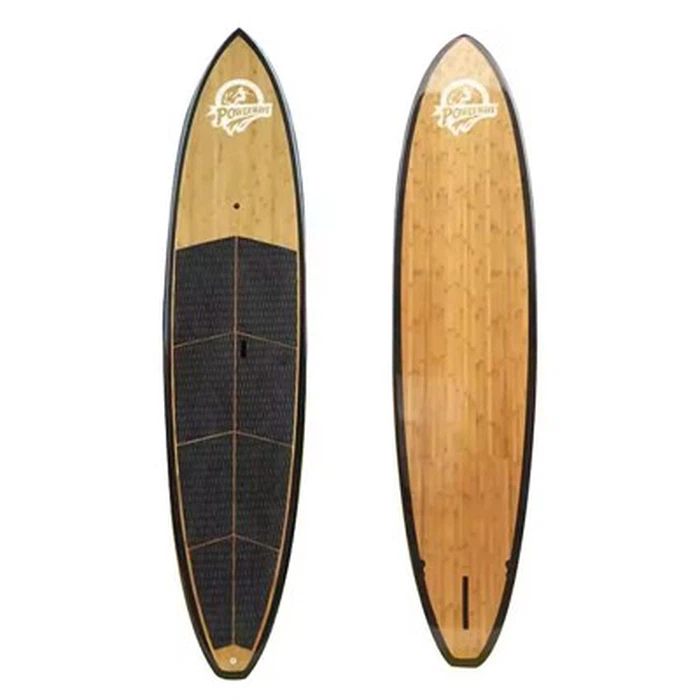
High Quality Bamboo SUP Boards


What is SUP Paddle Board

A SUP (Stand-Up Paddleboard) paddle board is a type of watercraft designed for stand-up paddling, a popular water sport where the participant stands on the board and uses a paddle to propel themselves through the water. These boards are typically longer, wider, and more buoyant than traditional surfboards, providing stability and ease of paddling. They are used in various water environments, including lakes, rivers, and oceans, for activities such as recreation, fitness, touring, and even surfing in some cases.

Features of SUP Paddle Board


Rugged Construction
SUP Paddle Board offers new thermal-molded technology that eliminates waste in the construction process and creates an eco-friendlier epoxy board that’s both lightweight and ultra-durable.


Safer
The soft materials used in the construction of SUP Paddle Board make them a safer option, especially for beginners. When learning to surf or attempting new tricks, there’s always the risk of getting hit by your board.


Mobility
The lightweight and buoyancy of SUP Paddle Board make them easy to maneuver in the water. Their responsive performance allows you to better adapt to different types of waves and achieve better control over your ride. This increased mobility can help beginner surfers build their skills and have more fun in the water.


Adaptability
SUP Paddle Board is suitable for a wide range of wave conditions. Their buoyancy and stability make them ideal for small to medium-sized waves, allowing you to catch more waves and have more enjoyable surf sessions.


Materials of SUP Paddle Board

Epoxy
Epoxy is the type of resin used to make fiberglass paddle boards. Hard boards are typically made using an EPS foam core that is wrapped in layers of fiberglass with an epoxy resin coating. Several layers are used and carbon fiber is often chosen for rails to give extra strength, durability, and a lightweight finish.


Carbon Fiber
Carbon fiber is a high-end material known for its exceptional strength-to-weight ratio. SUPs made from carbon fiber are extremely light and stiff, offering superior performance, but they come at a higher price point.

High Quality Carbon Fiber SUP Boards


Types of SUP Paddle Board


All Around / Flatwater Paddle Boards

All around paddle boards are fantastic, versatile options that can perform well in many roles. They are best for flatwater paddling and are suitable for any level of experience. A good all-around board can take a beginner from learning how to paddle, right through to a competent paddler enjoying a cruise.


Surf / Performance Paddle Boards

Performance paddle boards, specifically surf SUPs, are designed for an increased maneuverability and speed element. They are shorter and highly sensitive to the riders’ weight distribution. As these boards are more specialized, they are only recommended to riders with more experience and are not suitable for lazy lake paddles.


Touring / Racing Paddle Boards

These SUPs are long and streamlined to produce a cutting speed, perfect for racing and endurance paddling. These paddle boards are often made with specialized fiberglass and carbon fiber materials to get the most lightweight board possible.


Parts of SUP Paddle Board
 
Deck Pad of a Standup Paddleboard

The deck pad of a standup paddleboard refers to the foam, rubber, or other surface that is placed on the board to provide traction, paddling, and style. Of course, traditionally surfers use wax on their boards to provide the traction they need.

Fins and Fin Box

Just like on surfboards, standup paddleboards have fins on the bottom tail of the board. Fins help the board from sliding out while surfing and help in “tracking” straight on flat water. Included in this is that they aid the stability of the board. A board can have one, two, or three fins. The hole that the fins bolt into is known as a fin box.

Leash and Leash Cup of a SUP

Just as in surfing the SUP leash attaches the rider's ankle to the rear of the paddleboard. A leash cup is a little plastic piece in the deck of the tail of the board where the leash attaches.

Vent and Vent Plug

Some standup paddle boards have vents that are sealed with vent plugs. Since the boards are made of foam the gases contained in the board will expand and contract with the air temperature. Vent plugs can be removed to allow the gases to equalize during storage and to prevent damage to the board due to over-expansion of the gases.


How to Choose SUP Paddle Board
High Quality Carbon Fiber SUP Boards
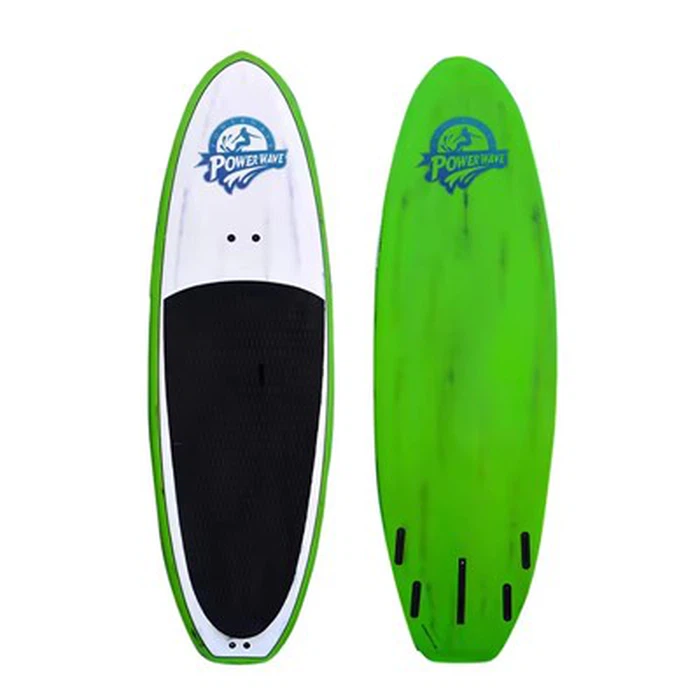
Spray SUP Boards
High Quality Bamboo SUP Boards
IXPE Rescue Board SUP Paddle Board

Size Volume
The board's volume is measured in liters. This volume specification provides insights into the board's weight-carrying capacity - the higher the volume, the more weight the paddle board can support.


Weight Capacity
Every SUP Paddle Board has a specified weight limit and is measured in pounds. By understanding this weight capacity, you can prevent the board from sitting lower in the water, thus reducing its efficiency and making it harder to paddle. Therefore, you should consider both your body weight and the weight of any gear you'll bring on your paddle board trip.


Body Type
In general, if you're a smaller person, a narrower board will help you easily find your balance on a more compact SUP. Conversely, if you have a larger build, a wider board will provide the necessary stability and weight support. In contrast, putting a smaller individual on a board that is too wide for their frame can result in an inefficient paddling stroke.


Transport and Storage
If you plan to embark on longer tours and need to carry extra gear like a cooler or camping equipment, a wider board will offer more valuable storage space. This can be especially beneficial if you're transporting your SUP on the roof of your vehicle.


Balance and Stability
Wider boards range about 31 inches or more and provide a stable platform well-suited for SUP yoga activities. On the other hand, narrower boards tend to be faster and more maneuverable, so they are a popular choice for racers and surfers.


SUP Width
Width is another important factor that affects how the board handles. A wider board will always be more stable than a skinny board, but keep in mind that a wide board can be slower and, if the board is too wide for you, difficult to paddle. SUPs are made in widths ranging from about 25 inches up to 36 inches to accommodate a variety of needs.


SUP Thickness
After finding a board with the length and width that makes the most sense for you and your paddling style, consider a third factor: board thickness. The main reason to consider the thickness of a SUP Paddle Board is because of how it affects the overall volume and weight capacity. If you're looking at two boards of the same length and width but different thicknesses, the thicker board has more volume than the thinner one and the higher the volume, the more weight it can support.


SUP Fins
Fins add tracking and stability to a paddle board. In general, larger fins with wider bases and longer front edges will track straighter and provide more stability than smaller fins. On the other hand, a smaller fin provides better maneuverability. Most fins are removable, so you can swap out fins and take them off for storage.


How to Maintain SUP Paddle Board


Clean The Underside
Cleaning the underside of the board first is the best course of action as it is less likely to attract further dirt when cleaning the deck pad side. An inflated board is easier to clean but not completely necessary.


Flip To Deck Pad Side
Repeat the process on the deck pad side and use a soft scrubbing brush on any areas that have any residue from your paddling session.


Let It Dry
Leaving the SUP Paddle Board in the sun for 10 minutes will usually dry it completely. In very hot weather do not leave it in direct sunlight rather leave it in the shade. Use a soft towel to wipe down the underside of the board to dry.


Soap And Water Then Rinse
Mix a solution of dishwashing soap and warm water occasionally and give the SUP Paddle Board a scrub with a very soft-bristled brush. In some environments, the frequency of a full cleaning is more necessary than in others. Remember to rinse with clean water thoroughly.


For Stubborn Marks
Non-abrasive PVC cleaning products such as mold remover, magic erasers, and baking soda can be used to clean the PVC - DO NOT use these on the deck pad or areas with graphics. For the deck pad, use soap and water and the scrubbing brush (or a toothbrush),and a towel can be used to clean stubborn marks.


Uv Light Exposure
If marks don't completely come out they will fade over time with exposure to the sun and UV light. DO NOT cause abrasions on the surface of the PVC or SUP Paddle Board. Tree sap can be particularly hard to completely remove if it has been left on the board for a long time.


For Long Term Storage
Even though the board will appear dry it is a good idea to pack with moisture-absorbing dry packs if you're intending to put your board away for the colder months. These will ensure all the remaining water gets drawn out and your SUP Paddle Board is ready to go when the warmer weather returns.


How to Store SUP Paddle Board

Rinse Your SUP Before Putting It In Storage
Whenever you use your SUP you’ll want to rinse it with freshwater afterwards. It’s good to get into the habit of rinsing off your board after each use because getting rid of dirt and grit can extend its lifespan. It also prevents you from having to clean your board before you head out next time.


Don’t Use Abrasive Soap
You don’t need to use soap every time; a freshwater rinse and towel down go a long way. However, it doesn’t hurt to clean your board with soap every now and again.


Don’t Overdo It
For a more thorough clean on occasion, use a rag or very soft bristle brush to sweep away dirt and debris. When cleaning your board, remember not to get too aggressive in trying to remove marks and stains.


You Can Store Your SUP Deflated or Inflated, Whichever Suits Your Space
When deciding on SUP Paddle Board another factor to think about is whether you’ll store it inflated or deflated. Either way is fine as long as it’s clean, dry, and in the right temperature range.

High Quality Wood SUP Boards


IXPE Rescue Board SUP Paddle Board


Three Factors That Impact Your SUP Paddle Board’s Lifespan

Grit, Grime, Salt, and Bacteria
Contact with abrasive elements like dirt, salt, and sand can cause undue wear and tear to your SUP. We recommend using the comfy carry handles or a handy shoulder strap to carry your SUP at all times. It shouldn’t be dragged through the parking lot or even over sand when in use. Built up grit that’s left on your board can also cause damage to the valve or the PVC material your board is made of when it’s rolled and stored. If you store your board wet, mildew and bacteria can make for unpleasant smells and gradually eat away at your board too.


Sun Damage
Sunny days are often the nicest days to take your SUP out, but it’s best not to store your inflatable paddle board in direct sunlight long-term. Over time, direct sunlight can fade the colors of your SUP and even cause damage to the PVC material of the board itself.


Time
The longer you have your board, the more wear and tear it’ll be exposed to. Eventually every board will need to be replaced but don’t worry; with proper care and storage you’ll be able to use your SUP Paddle Board at peak performance for years to come.


Frequently Asked Questions


Q: What is SUP Paddle Boarding?

A: SUP Paddle Boarding, short for Stand Up Paddle Boarding, is a water sport where individuals stand on a surf-style board and use a long paddle to propel themselves through the water. It's a versatile activity suitable for calm lakes, rivers, and even ocean waves.

Q: Is SUP Paddle Boarding difficult to learn?

A: While it might seem daunting initially, SUP Paddle Boarding is relatively easy to learn, especially in flatwater conditions. With basic instruction, most people can get up on the board and start paddling within a short time. Balance and paddling technique improve with practice.

Q: What equipment do I need to start SUP Paddle Boarding?

A: You need a SUP board, a paddle, a leash to keep you connected to the board, and a personal flotation device (PFD). For colder waters, a wetsuit or drysuit is recommended. Sunscreen, a hat, and waterproof footwear are also advisable.

Q: What are the benefits of SUP Paddle Boarding?

A: SUP Paddle Boarding provides a full-body workout, improving balance, core strength, and cardiovascular fitness. It's also a low-impact activity, gentle on the joints. Being outdoors on the water offers mental health benefits, such as reduced stress and improved well-being.

Q: Can anyone SUP Paddle Board?

A: Generally, yes. SUP Paddle Boarding is accessible to people of all ages and fitness levels. However, it's important for participants to have some basic swimming skills and be comfortable in the water. Children should be supervised by an adult.

Q: How do I choose the right SUP board?

A: Choosing the right board depends on your experience level, intended use (e.g., racing, yoga, fishing), and body weight. Beginners often start with larger, wider boards for stability. More experienced paddlers might opt for specialized boards designed for specific activities or wave riding.

Q: What size paddle should I use?

A: The paddle size should be proportional to your height. A general rule of thumb is to stand next to the paddle with your arm raised; the top of the paddle handle should reach your wrist. Adjustable paddles are convenient for sharing or accommodating different paddling styles.

Q: Where can I SUP Paddle Board?

A: SUP Paddle Boarding can be done on various bodies of water, including oceans, lakes, rivers, and even calm canals. Always check local regulations and water conditions before heading out, and be mindful of potential hazards like currents, wildlife, and boat traffic.

Q: Is SUP Paddle Boarding safe?

A: Like any water sport, there are inherent risks involved in SUP Paddle Boarding. However, by practicing safety measures, such as wearing a PFD, staying aware of your surroundings, and paddling within your abilities, you can minimize these risks.

Q: How do I transport my SUP board?

A: Transporting your SUP board depends on the type of vehicle you have. Cars can accommodate inflatable boards or smaller hard boards with roof racks or cargo carriers. Larger vehicles or trailers may be necessary for longer boards. Always secure the board properly to prevent damage or accidents.

Q: How do I store my SUP board?

A: Store your SUP board in a cool, dry place away from direct sunlight and heat sources. Inflatable boards should be deflated and stored in a protective bag. Hard boards should be placed on a stand or rack to avoid warping or damage.

Q: What are the different types of SUP boards?

A: There are several types of SUP boards, including all-around boards, touring boards, racing boards, yoga boards, and surf SUPs. Each type is designed for specific activities and conditions, so choosing the right one depends on your goals and preferences.

Q: How fast can I go on a SUP board?

A: The speed of a SUP board depends on several factors, including the board's design, length, width, and the paddler's technique and strength. Racing boards are specifically designed for speed and can reach impressive speeds in optimal conditions.

Q: Can I bring my dog on a SUP board?

A: Absolutely! Many people enjoy SUP Paddle Boarding with their dogs. Just make sure your furry friend is comfortable on the water and wears a life jacket. Start with short trips to build their confidence and gradually increase the distance and duration.

Q: Are there any competitions or events for SUP Paddle Boarding?

A: Yes, there are numerous SUP Paddle Boarding competitions and events around the world, ranging from local races to international championships. These events cater to various skill levels and disciplines, including distance racing, sprint racing, and technical courses.

Q: What are some advanced SUP Paddle Boarding techniques?

A: Once you've mastered the basics, you can explore advanced techniques such as bracing for stability, turning efficiently, and performing maneuvers like the crossbow draw or sweeping stroke. Advanced paddlers can also experiment with different blade shapes and paddle lengths to optimize their performance.

Q: How do I clean and maintain my SUP board?

A: After each use, rinse your SUP board with fresh water to remove salt and sand particles. Avoid using harsh chemicals or abrasive cleaners that can damage the board's finish. Store the board in a cool, dry place, and inspect it regularly for signs of wear or damage.

We're professional sup paddle board manufacturers and suppliers in China, specialized in providing high quality customized service. We warmly welcome you to wholesale sup paddle board for sale here and get quotation from our factory. For price consultation, contact us.

soft surfboard for waves, soft surfboard pad, high quality soft surfboard