


As a supplier of soft surfboards, I've had the privilege of witnessing the growing popularity of these versatile boards among surfers of all skill levels. Soft surfboards offer a unique combination of safety, stability, and performance, making them an excellent choice for beginners and experienced riders alike. In this blog post, I'll share some insights on the best way to paddle a soft surfboard, drawing on my years of experience in the industry.
Understanding Your Soft Surfboard
Before you hit the waves, it's essential to understand the characteristics of your soft surfboard. Soft surfboards are typically made from a combination of materials, including EVA foam, EPS foam, and epoxy resin. Each material offers different benefits, so it's important to choose a board that suits your needs and skill level.
- High Quality EVA Soft Deck Surfboard: These boards feature a soft EVA foam deck that provides excellent grip and comfort. The EVA foam also helps to absorb impact, making them a great choice for beginners who are still learning to balance on the board. High Quality EVA Soft Deck Surfboard
- High Density EPS Foam Soft Top Surfboard: EPS foam is a lightweight and buoyant material that provides excellent floatation. High-density EPS foam soft top surfboards are more durable and responsive than traditional soft boards, making them a popular choice for intermediate and advanced riders. High Density EPS Foam Soft Top Surfboard
- Epoxy Soft Surfboards: Epoxy resin is a strong and lightweight material that provides excellent strength and durability. Epoxy soft surfboards are more rigid and responsive than traditional soft boards, making them a great choice for advanced riders who are looking for a high-performance board. Epoxy Soft Surfboards
Paddling Technique
Once you've chosen the right soft surfboard for your needs, it's time to focus on your paddling technique. Paddling is the foundation of surfing, and a good paddling technique will help you catch more waves and improve your overall performance in the water.

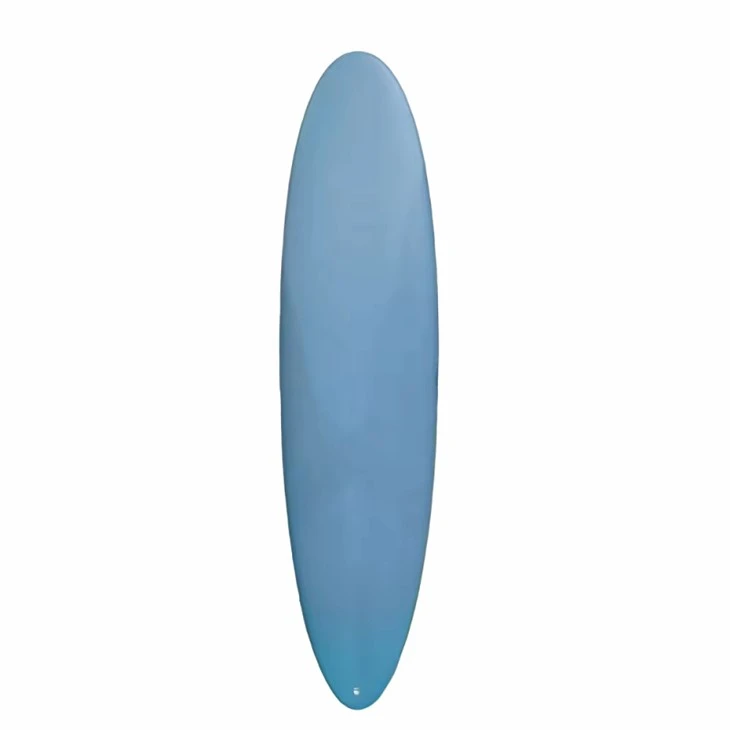
- Positioning on the Board: Start by lying on your board with your chest centered over the center of the board. Your hands should be placed shoulder-width apart on the rails of the board, and your feet should be together at the tail of the board.
- Paddling Stroke: To paddle, reach forward with one arm and place your hand in the water in front of the board. Pull your arm back towards your hip, using your shoulder and back muscles to generate power. As you pull your arm back, rotate your torso towards the side of the board to maximize your paddling efficiency. Repeat this motion with your other arm, alternating between each side of the board.
- Kick Technique: In addition to your paddling stroke, you can also use your legs to generate additional power and speed. To kick, bend your knees and lift your feet off the board slightly. Then, extend your legs and push your feet down towards the water, using your thigh and calf muscles to generate power.
- Timing and Rhythm: Paddling is all about timing and rhythm. Try to maintain a steady and consistent paddling stroke, and focus on generating power with each stroke. As you approach a wave, increase your paddling speed to catch the wave at the right time.
Catching Waves
Catching waves is one of the most exciting parts of surfing, but it can also be one of the most challenging. To catch a wave on your soft surfboard, you need to have a good understanding of wave dynamics and timing.
- Reading the Waves: Before you paddle out to catch a wave, take some time to observe the waves and understand their patterns. Look for waves that are breaking in a consistent pattern, and try to identify the peak of the wave where the wave is the most powerful.
- Positioning on the Wave: As you approach a wave, position yourself on the shoulder of the wave, just behind the peak. This will give you the best chance of catching the wave and riding it all the way to the shore.
- Paddling into the Wave: As the wave approaches, start paddling as hard as you can to catch up with the wave. Once you feel the wave starting to push you forward, pop up onto your feet and start riding the wave.
- Popping Up: Popping up is the technique of standing up on your board from a lying position. To pop up, place your hands on the board next to your chest, and push yourself up onto your feet. As you stand up, keep your knees bent and your weight centered over the board to maintain your balance.
Riding the Wave
Once you've caught a wave, it's time to focus on riding the wave and having fun. Riding a wave on your soft surfboard requires a combination of balance, control, and technique.
- Balance and Control: To maintain your balance on the wave, keep your knees bent and your weight centered over the board. Use your arms to help you balance and control your speed and direction.
- Turning Technique: To turn on your soft surfboard, shift your weight towards the side of the board that you want to turn towards. Use your front foot to steer the board, and your back foot to control your speed and stability.
- Cutbacks and Bottom Turns: Cutbacks and bottom turns are advanced surfing techniques that involve turning the board back towards the wave after riding it for a short distance. To perform a cutback, shift your weight towards the back of the board and turn the board back towards the wave. To perform a bottom turn, shift your weight towards the front of the board and turn the board towards the bottom of the wave.
Safety Tips
Surfing is a fun and exciting sport, but it can also be dangerous if you don't take the proper safety precautions. Here are some safety tips to keep in mind when paddling and surfing on your soft surfboard:
- Wear a Leash: A leash is a safety device that attaches your board to your ankle. Wearing a leash will help you stay connected to your board if you fall off, and it will also prevent your board from hitting other surfers in the water.
- Know Your Limits: It's important to know your limits and only surf in conditions that are suitable for your skill level. If you're a beginner, start by surfing in small, gentle waves and gradually work your way up to larger and more challenging waves.
- Respect Other Surfers: Surfing is a social sport, and it's important to respect other surfers in the water. Follow the right-of-way rules, and avoid dropping in on other surfers' waves.
- Check the Conditions: Before you paddle out, check the weather and surf conditions to make sure it's safe to surf. Look for signs of strong currents, high winds, or large waves, and avoid surfing in dangerous conditions.
Conclusion
Paddling a soft surfboard is a fun and rewarding experience that offers a unique combination of safety, stability, and performance. By following the tips and techniques outlined in this blog post, you can improve your paddling technique, catch more waves, and have more fun in the water.
If you're interested in purchasing a high-quality soft surfboard, please don't hesitate to contact us. We offer a wide range of soft surfboards to suit every skill level and budget, and our team of experts is always available to help you choose the right board for your needs.
References
- "Surfing: The Complete Guide" by Matt Warshaw
- "The Art of Surfing" by Robert August
- "Surfing Science" by James G. Burch
