


What are the disadvantages of a bamboo surfboard longboard?
As a supplier of bamboo surfboard longboards, I've had the privilege of introducing many surfers to the unique experience these boards offer. Bamboo surfboards are celebrated for their natural aesthetic, eco - friendliness, and the smooth ride they can provide. However, like any product, they are not without their drawbacks. In this blog, I'll delve into the disadvantages of bamboo surfboard longboards to give you a well - rounded view.
1. Cost
One of the most significant disadvantages of bamboo surfboard longboards is their cost. The materials and construction methods used in bamboo boards contribute to a relatively high price point. Bamboo is a sustainable material, but sourcing high - quality bamboo that is suitable for surfboard construction can be expensive. Additionally, the process of laminating the bamboo layers and shaping the board requires skilled craftsmanship.
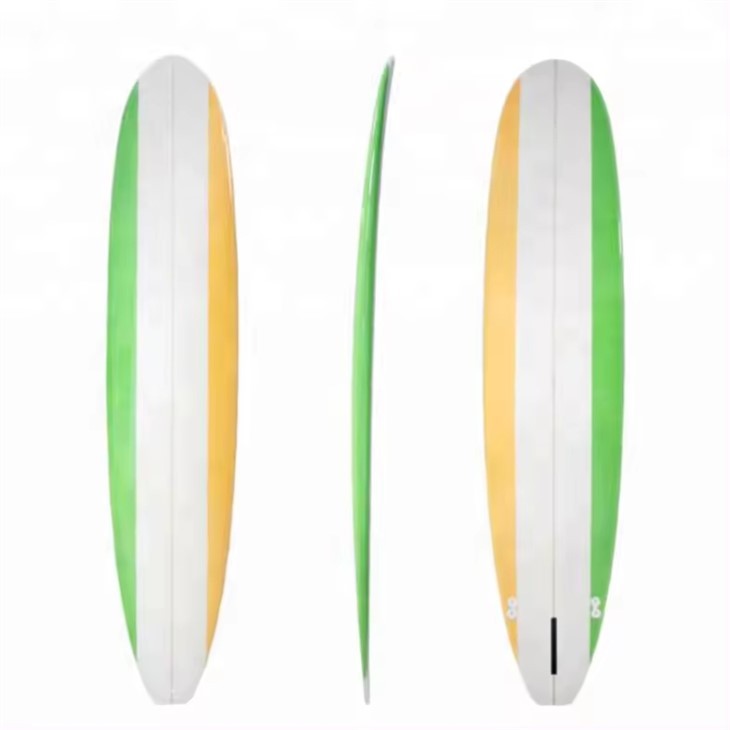

Compared to other types of surfboards, such as the Epoxy Fiberglass Longboard Surfboard, which can be mass - produced using more cost - effective materials and techniques, bamboo surfboards often come with a premium. For beginner surfers who are just starting out and may not want to invest a large amount of money in a board, the cost of a bamboo longboard can be a deterrent. Even for experienced surfers, the high price might make them think twice, especially if they are looking to add a new board to their collection.
2. Durability
While bamboo is a strong and flexible material, bamboo surfboard longboards may not be as durable as some of their counterparts in certain situations. The natural fibers in bamboo can be vulnerable to water damage over time. If the board is not properly maintained, water can seep into the bamboo layers, causing the wood to warp, delaminate, or develop mold.
In comparison to Full Wooden Surfboards Longboards that are made from other types of wood or epoxy fiberglass boards, bamboo boards require more careful handling. For example, if a surfer frequently leaves their bamboo board in a wet environment or doesn't dry it properly after use, the integrity of the board can be compromised. Additionally, bamboo boards may not withstand high - impact collisions as well as epoxy fiberglass boards. A hard hit against a reef or a rock could cause more significant damage to a bamboo board, potentially rendering it unusable.
3. Weight
Bamboo surfboard longboards tend to be heavier than some other types of longboards. The density of bamboo contributes to the overall weight of the board. This extra weight can make it more challenging to carry the board to and from the beach, especially if the surfer has to walk a long distance.
When it comes to surfing, the additional weight can also affect the surfer's performance. It may require more effort to paddle out to the waves, which can be tiring, especially for surfers with less upper - body strength. In the water, the heavier board may not be as responsive or maneuverable as a lighter board. For example, making quick turns or catching smaller waves can be more difficult with a heavy bamboo longboard compared to a lighter Epoxy Fiberglass Longboard Surfboard.
4. Limited Design Options
Another drawback of bamboo surfboard longboards is the relatively limited design options. The nature of bamboo as a material restricts some of the creative possibilities in board design. Bamboo boards are typically made by laminating bamboo layers, which means that complex shapes and curves can be more difficult to achieve compared to boards made from other materials.
Surfers who are looking for highly customized boards with unique fin setups, rocker profiles, or board shapes may find that bamboo longboards do not offer the same level of flexibility as Epoxy Fiberglass Longboard Surfboard. Epoxy fiberglass boards can be easily molded into a wide variety of shapes, allowing for more personalized designs. This limitation in design can be a disadvantage for surfers who want a board that is tailored to their specific surfing style and preferences.
5. Maintenance Requirements
Bamboo surfboard longboards require more maintenance than some other types of surfboards. As mentioned earlier, they are susceptible to water damage, so proper drying and storage are crucial. After each use, the board should be thoroughly dried to prevent water from being trapped in the bamboo layers.
Regular waxing is also necessary to protect the surface of the board and maintain its grip. Additionally, the board may need to be inspected periodically for signs of damage, such as cracks or delamination. If any issues are detected, they need to be addressed promptly to prevent further damage. In contrast, Epoxy Fiberglass Longboard Surfboard generally require less maintenance. They are more resistant to water damage and can often withstand a bit more neglect without significant consequences.
6. Availability
The availability of bamboo surfboard longboards can be a challenge in some areas. Unlike more common types of surfboards, bamboo boards are not as widely stocked in surf shops. This means that surfers may have to order a bamboo longboard online or from a specialized supplier, which can add to the overall cost and waiting time.
In regions where the demand for bamboo boards is low, it may be difficult to find a local retailer that carries them. This lack of availability can be frustrating for surfers who want to try out a bamboo longboard immediately or who need a replacement board quickly. In comparison, Epoxy Fiberglass Longboard Surfboard are more commonly available in surf shops around the world, making them a more convenient option for many surfers.
Despite these disadvantages, bamboo surfboard longboards still have a lot to offer. They are a beautiful and sustainable choice that provides a unique surfing experience. If you are willing to invest in a high - quality board, take the time to maintain it properly, and are looking for a board with a natural aesthetic, a bamboo longboard could be a great option for you.
If you're interested in learning more about our Bamboo Surfboard Longboard offerings or have any questions about the products, we invite you to reach out to us. We're always happy to discuss your needs and help you find the perfect surfboard for your next adventure. Whether you're a beginner or an experienced surfer, we're here to assist you in making an informed decision.
References
- Surfboard Materials and Construction Guide, Surfing Magazine
- The Science of Surfboard Design, Ocean Sports Journal
- Bamboo in Marine Applications, Sustainable Materials Research Institute
